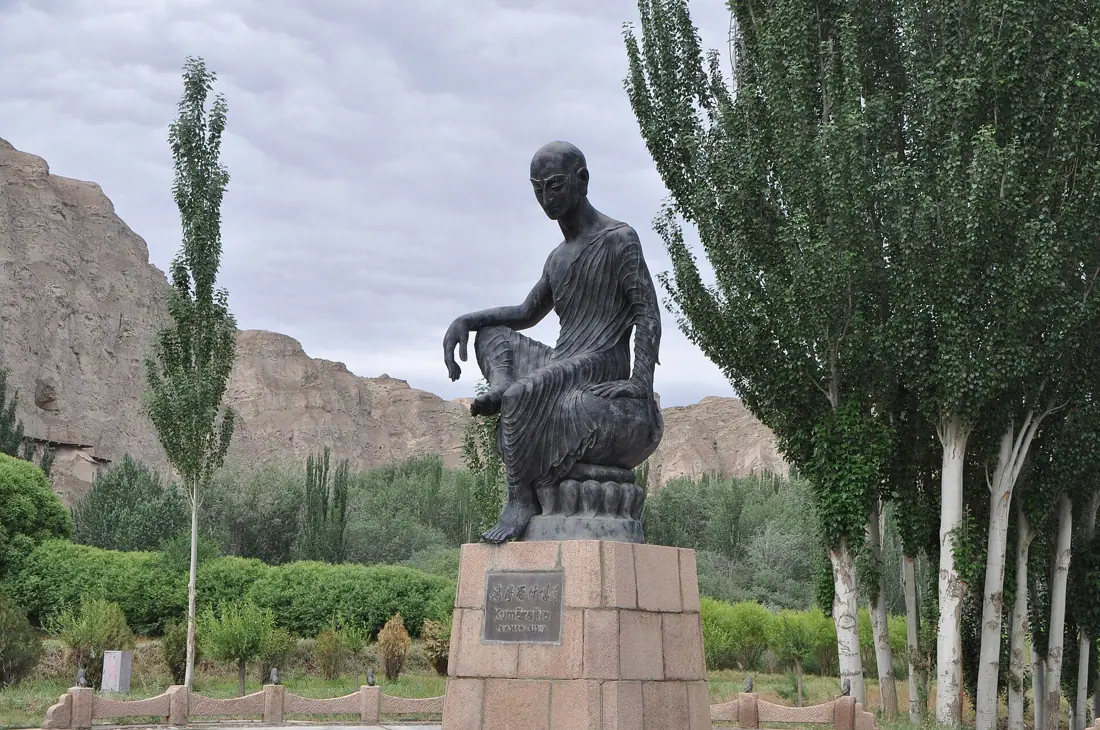
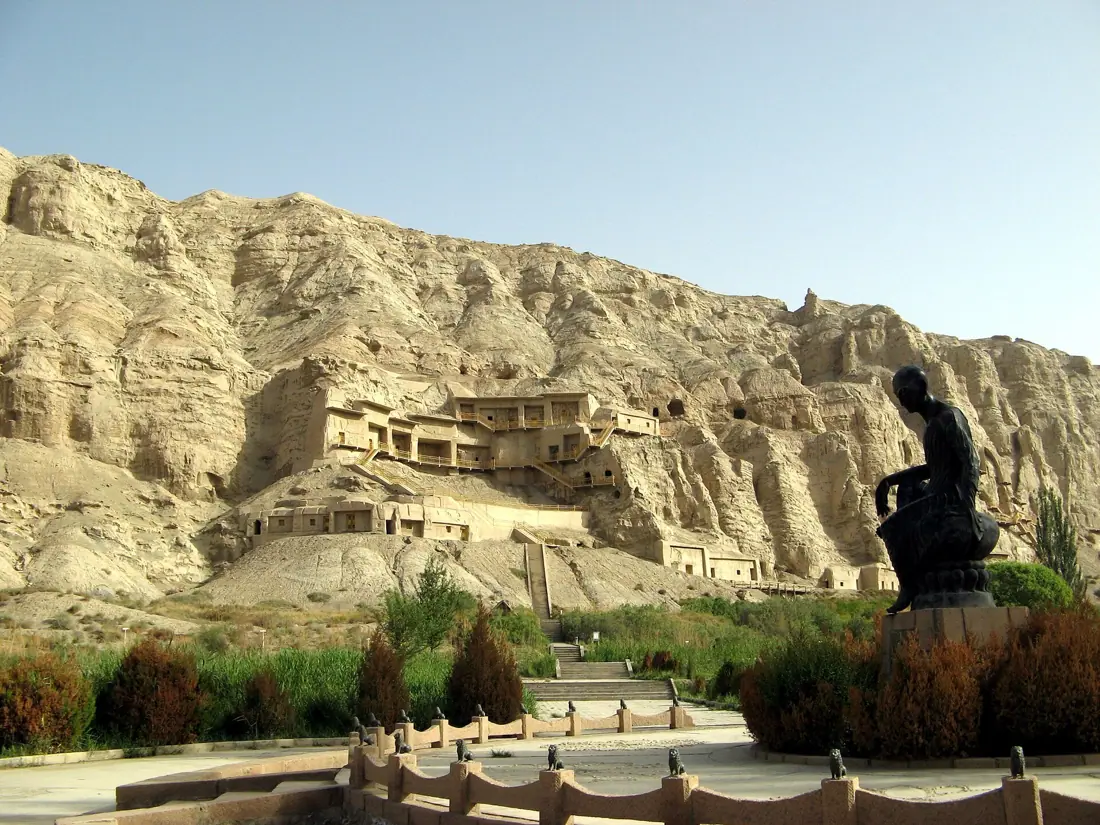
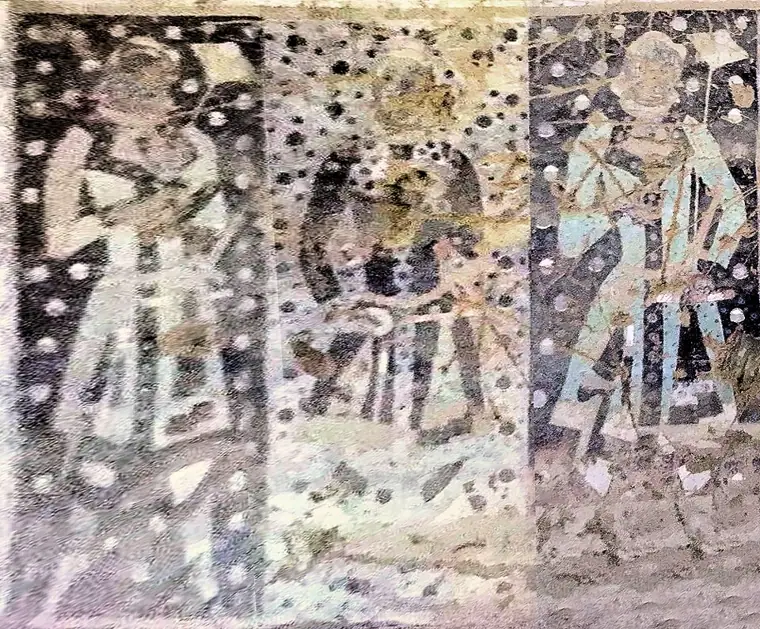
A complex of rock-cut Buddhist cave temples in Xinjiang, with murals dating from around the third to eighth centuries. They are among the earliest large Buddhist cave sites in China and show strong Central Asian influence.
Hours, summer (which months: not checked yet)09:30–19:00Hours, winter (which months: not checked yet)10:00–18:00
ClosedNone — open every dayBookingRequired ahead — real-name, with your passportTicket¥70
China's oldest major cave site (3rd-8th century, earlier than Mogao) — around 5,000 square metres of murals survive, many panels removed by expeditions and now in Berlin and museums in Japan
Photography is strictly prohibited inside the caves — leave the camera packed and buy the publications instead
The caves face the Muzat river gorge 65 km west of Kuqa — pair with Subashi and the Kuqa Grand Bazaar on the same arc
A group of rock-cut Buddhist caves near Kuqa in Xinjiang, with wall paintings from around the fifth to the eighth centuries. They are among the main Silk Road cave sites in the region, though many images were removed or damaged over the last century.
Give it: 1–2 hours
Hoursnot checked yet
ClosedNone — open every day
PermitYes
A 1970s hydro dam raised the river and sped the murals' decay — view the lower walls knowing the loss is recent
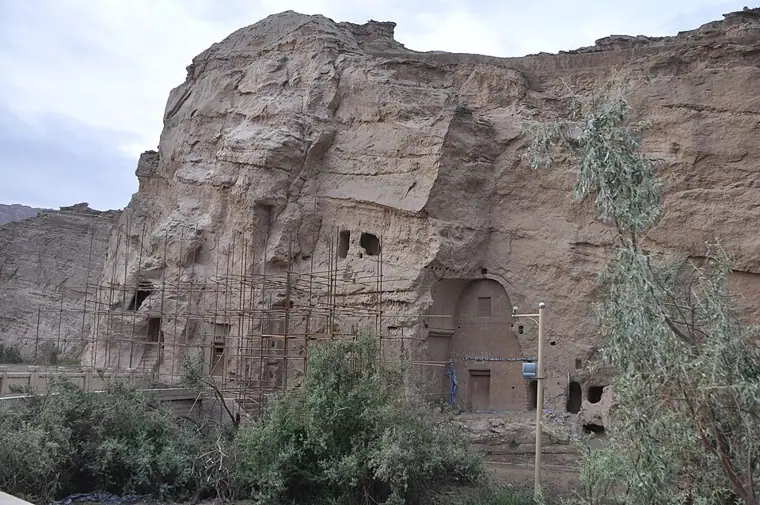
A quieter sibling: 112 caves from the 5th-11th centuries along the Muzat, 25 km west of Kuqa
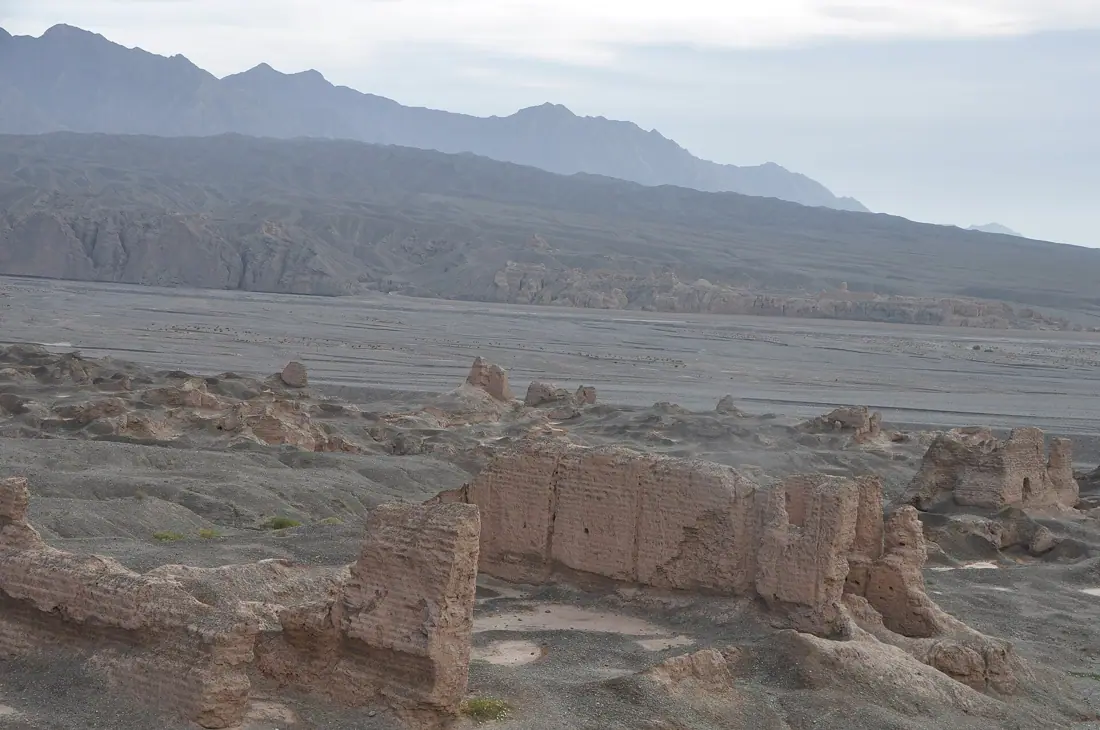
A large archaeological site of a Buddhist monastery complex near Kuqa in Xinjiang, split by a river and dating to the first millennium. Mud-brick walls and stupa bases survive across a wide area.
Give it: 1–2 hours
Hoursnot checked yet
ClosedNone — open every day
East and west ruin fields of a Silk Road monastery, UNESCO-listed in 2014 with the Chang'an-Tianshan corridor
The famous finds came from here — a 6th-7th century relic box showing long-tuned Central Asian men, and the 'Witch of Subashi' mummy with her pointed hat
The site spreads across open desert — go early morning or late afternoon for shadow on the rammed walls
A group of rock-cut Buddhist cave temples near Kuqa in Xinjiang, with some surviving wall paintings. Smaller and quieter than the better-known Kizil caves nearby.
A group of cave temples near Kucha in Xinjiang, carved and painted by Buddhist communities along the northern Silk Road. Many of the paintings and sculptures have suffered damage over the centuries.
Give it: 1–2 hours
Hoursnot checked yet
What to eat here
Kizil Caves’s own
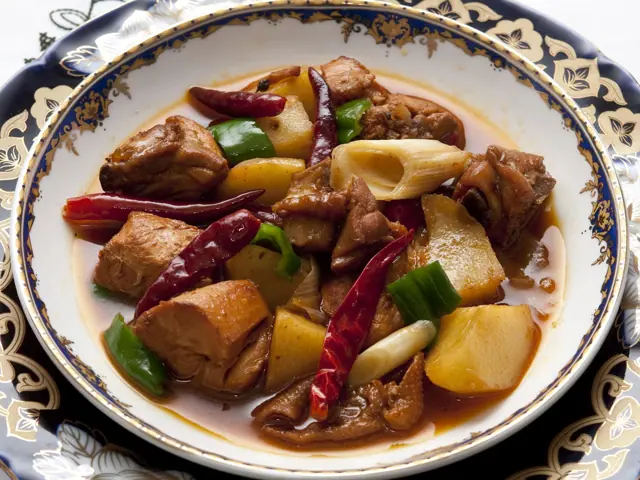
库车大馕Kuche giant naan · halalThe bread this region is known for: naan bigger than a dinner plate, thin, sesame-heavy, baked on tandoor walls in Kuche town nearby.Order it in Chinese
您好,麻烦您来一个大馕,切成块。
Hello, one giant naan cut into pieces please.
馕坑肉Tandoor lamb chunks · halalLamb ribs and chunks skewered on iron rods and baked against the tandoor wall - crusty outside, steamed inside.Order it in Chinese
您好,麻烦您来两串馕坑肉,谢谢。
Hello, two tandoor lamb-chunk skewers please. Thank you.
阿克苏苹果Aksu apples · vegThe valley south of the caves grows China's candy-sweet apples with a glassy core - buy them by the bag from roadside stands.Order it in Chinese
您好,麻烦您来两个阿克苏苹果,先切一块尝。
Hello, two Aksu apples - may I taste a slice first please?
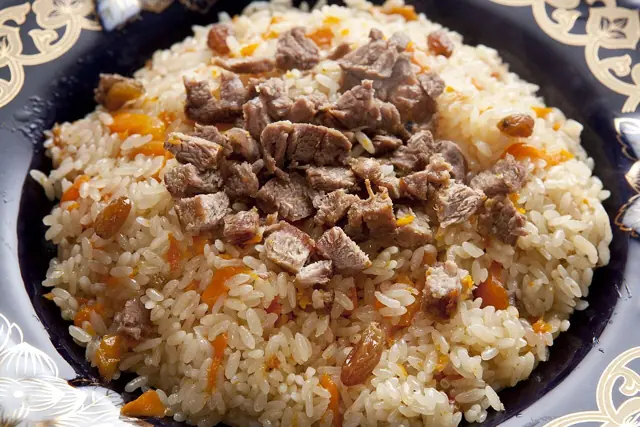
Hello, one polo rice plate, with a lamb leg bone added please.
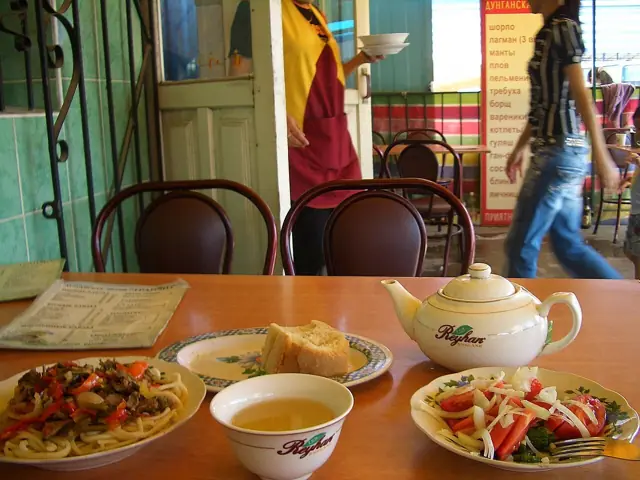
拉条子Hand-pulled noodles with topping · halalXinjiang's everyday noodle: chewy hand-pulled strands mixed at the table with stir-fried lamb and peppers.Photo: Vmenkov, CC BY-SA 3.0, via Wikimedia CommonsOrder it in Chinese
您好,麻烦您来一份过油肉拌面,面多些。
Hello, one pulled-noodle plate with fried-meat topping, extra noodles please.
Point at the Chinese: it is the name on the menu.
Know before you go
What people who went wish they had known. Their words, gathered with sources; a guide, not checked facts.
The cave cluster strings west of Kuqa — Kizil at 65 km, Kumtura at 25 km — one westbound loop covers both
Buses to Korla run about 4 hours, five daily; Kashgar is an overnight rail haul - most riders break at Kuqa
Few hotels take foreign guests - ask ahead and expect simple rooms near the station
Friday is the Old Town bazaar day — plan a Friday in town if you can · Fridays
Where to stay
Kuqa old town 库车老城(热斯坦街)10 min to Kuqa Railway Station 库车站Good for The only sensible base; grand mosque lanes, bazaar bread and the Kuqa museum
Oasis trading town; warm stone, mulberry shade, unhurried mornings Staying near the caves themselves; there is no lodging at the site - day-trip 70 km west.
Staying as a foreign visitor: the rules
Hotels register foreign guests at check-in and report it to the local police; the guest does not need to do anything.
Staying somewhere other than a hotel - a private rental, a friend's or family's home - the guest or the host registers with the local police within 24 hours of moving in.
Since 21 September 2026 this out-of-hotel registration can be done online anywhere in China through National Immigration Administration online channels, with the same effect as going in person.
Since July 2024 hotels and booking platforms across China are asked not to turn foreign guests away over missing 'foreign-guest licence' requirements, and platforms should not carry 'not open to foreign guests' listings.
Without approval a foreigner may not enter areas restricted to foreigners. The list of such areas is not published centrally - check locally before travelling.