China › Xinjiang
Province
Xinjiang 新疆
Deserts, mountains, and Central Asian flavour
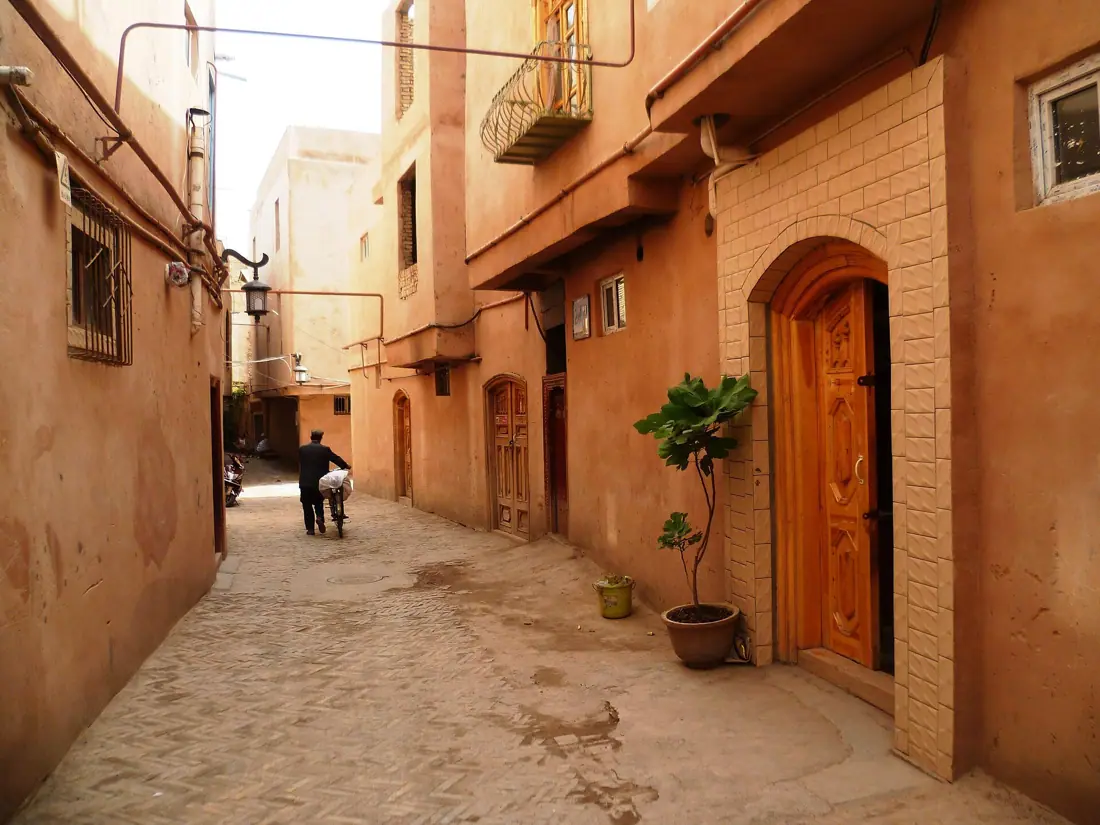
Xinjiang is China's largest region, a mix of deserts, mountains, and oasis towns. Visitors come for the Silk Road history, the markets, and the food, which leans towards lamb and flatbreads.
Go if You want the trip that feels least like the China you imagined.
Skip if Frequent ID checks at stations and attractions would wear on you.
Known for: Taklamakan Desert · Kashgar old town · Tianshan Mountains · Grape Valley · Lamb kebabs · Karakul Lake
How many days in Xinjiang?
Ürümqi 3 days · Turpan 2 days · Ili 4 days · Kashgar 3 days · Karamay 1 day · Hotan 2 days · Kizil Caves 2 days · Sayram Lake 2 days · Kanas Lake 3 days · Bosten Lake 3 days. The best-known five, end to end: about 13 days.
Where to go
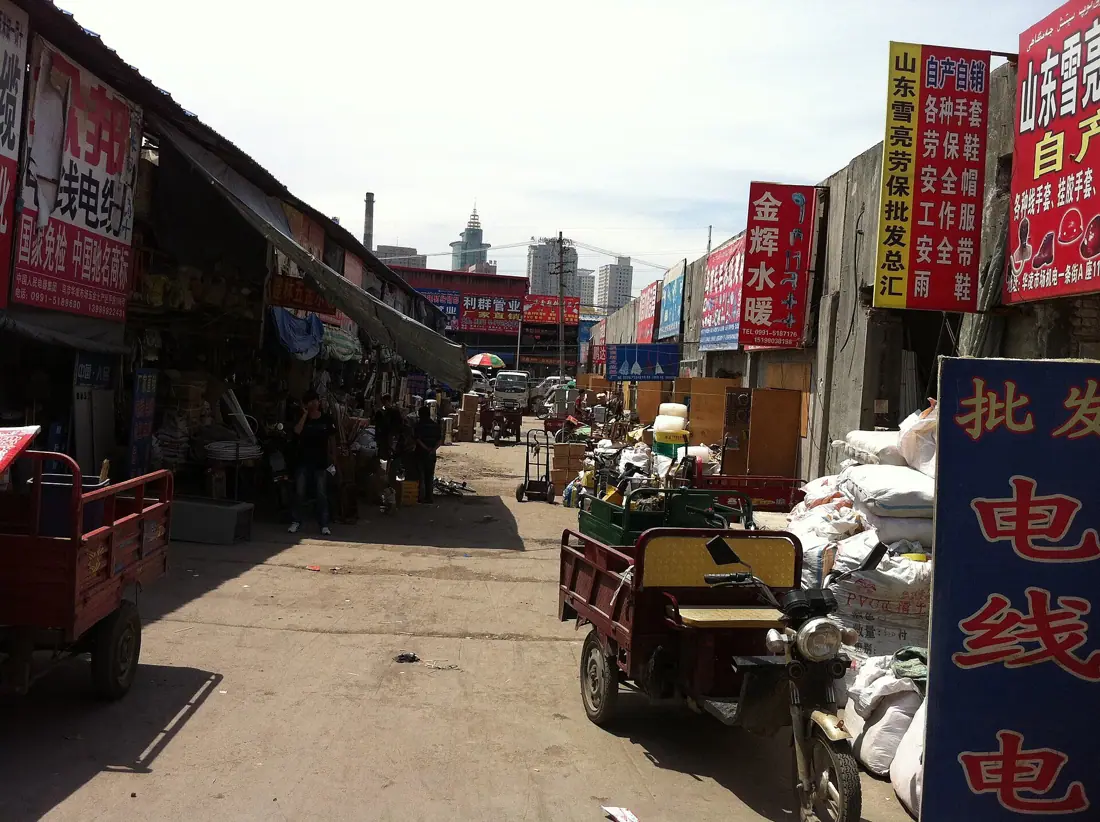 Ürümqi 乌鲁木齐Xinjiang's capital, gateway to the Tianshan mountains4 sights · Give it 3 daysPhoto: Matthew Summerton, CC BY-SA 3.0, via Openverse
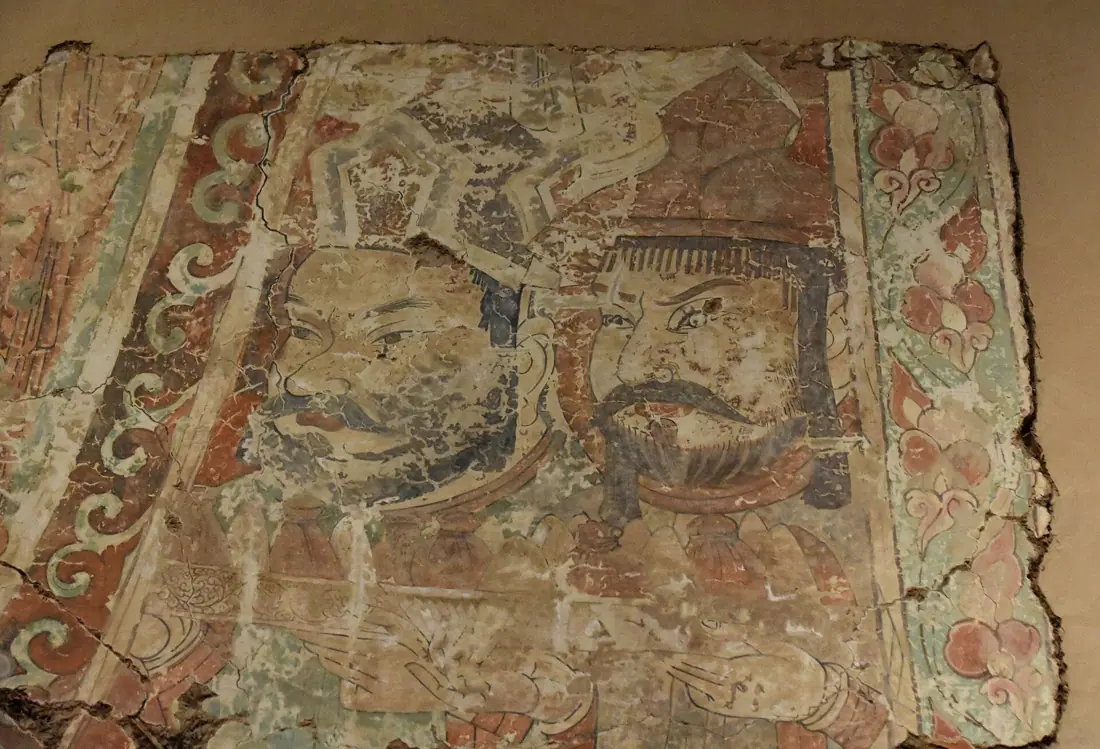 Turpan 吐鲁番Desert oasis with ancient cities and Buddhist caves8 sights · Give it 2 daysPhoto: Richard Mortel from Riyadh, Saudi Arabia, CC BY 4.0, via Openverse
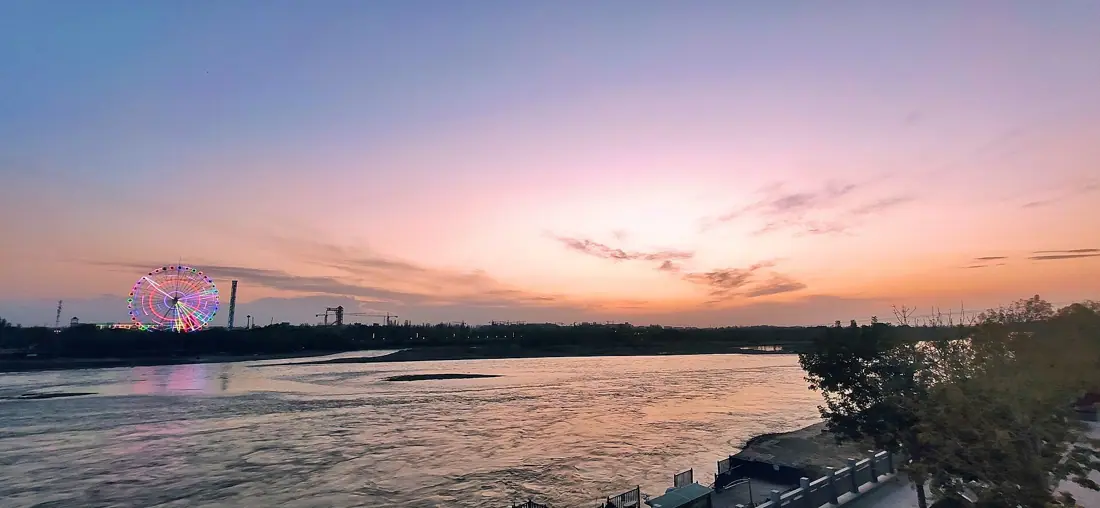 Ili 伊犁Green valleys, Kazakh and Uyghur culture in far northwest Xinjiang2 sights · Give it 4 daysPhoto: Charlie Qi, CC BY-SA 4.0, via Openverse
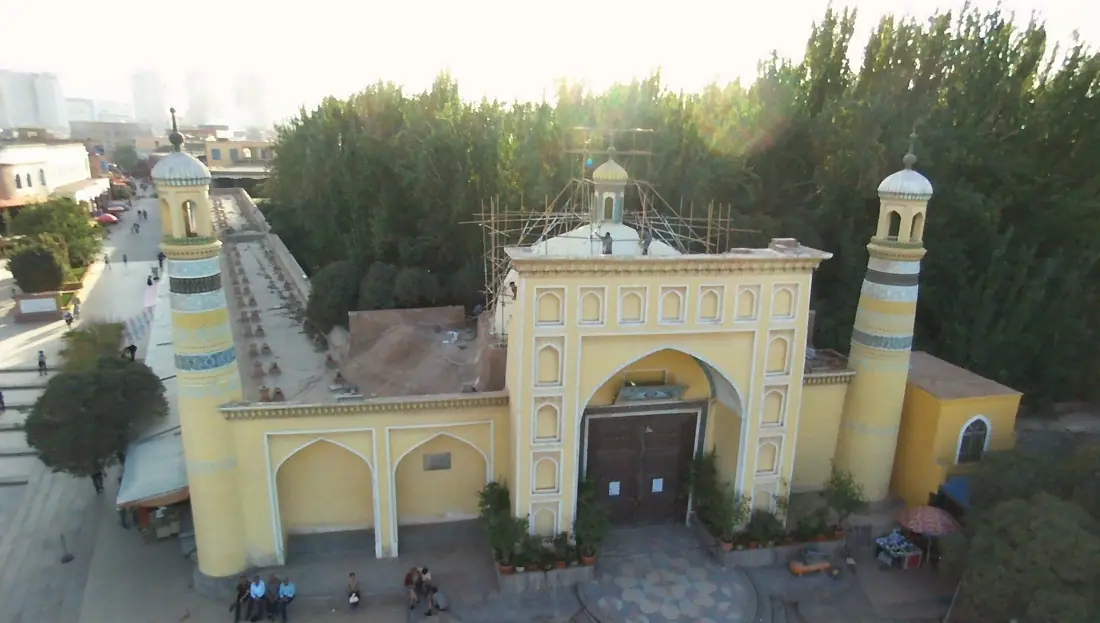 Kashgar 喀什Uyghur old city, Id Kah Mosque and Central Asian bazaar3 sights · Give it 3 daysPhoto: w0zny, CC BY-SA 3.0, via Openverse
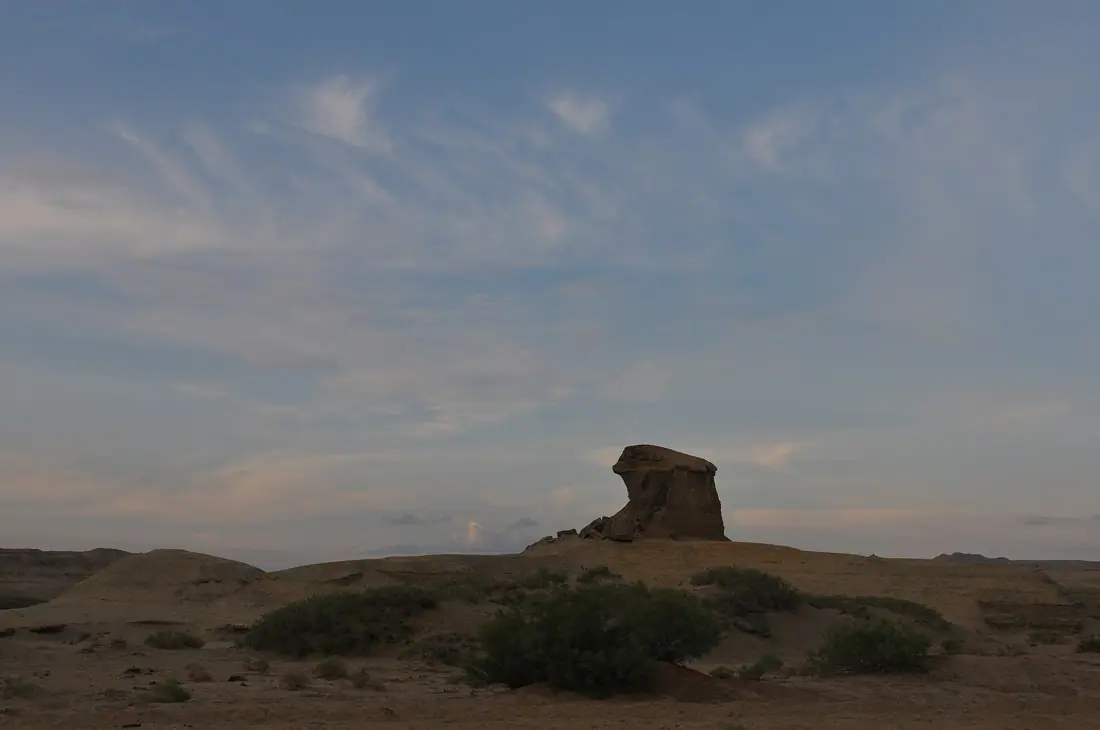 Karamay 克拉玛依Oil town on the edge of the Dzungarian desert1 sight · Give it 1 dayPhoto: 罗布泊, CC BY 4.0, via Openverse
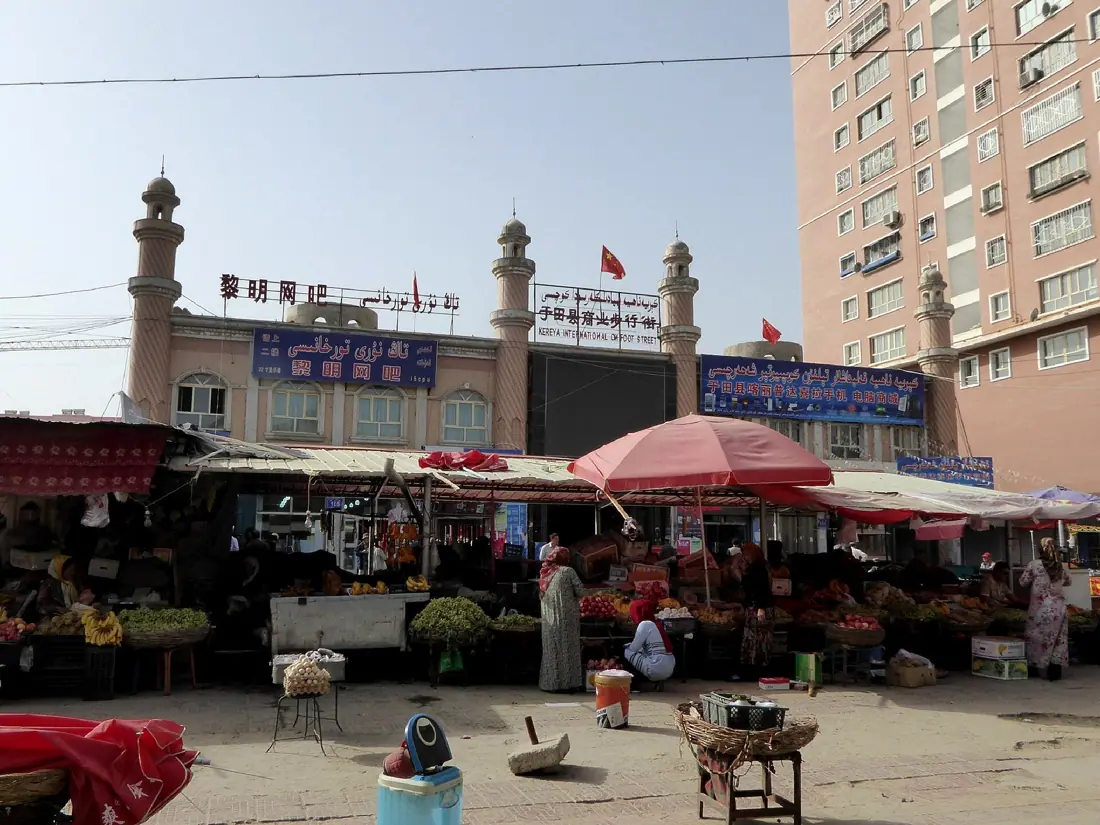 Hotan 和田Desert ruins of ancient Buddhist cities on the Silk Road2 sights · Give it 2 daysPhoto: Hiroki Ogawa, CC BY 3.0, via Openverse
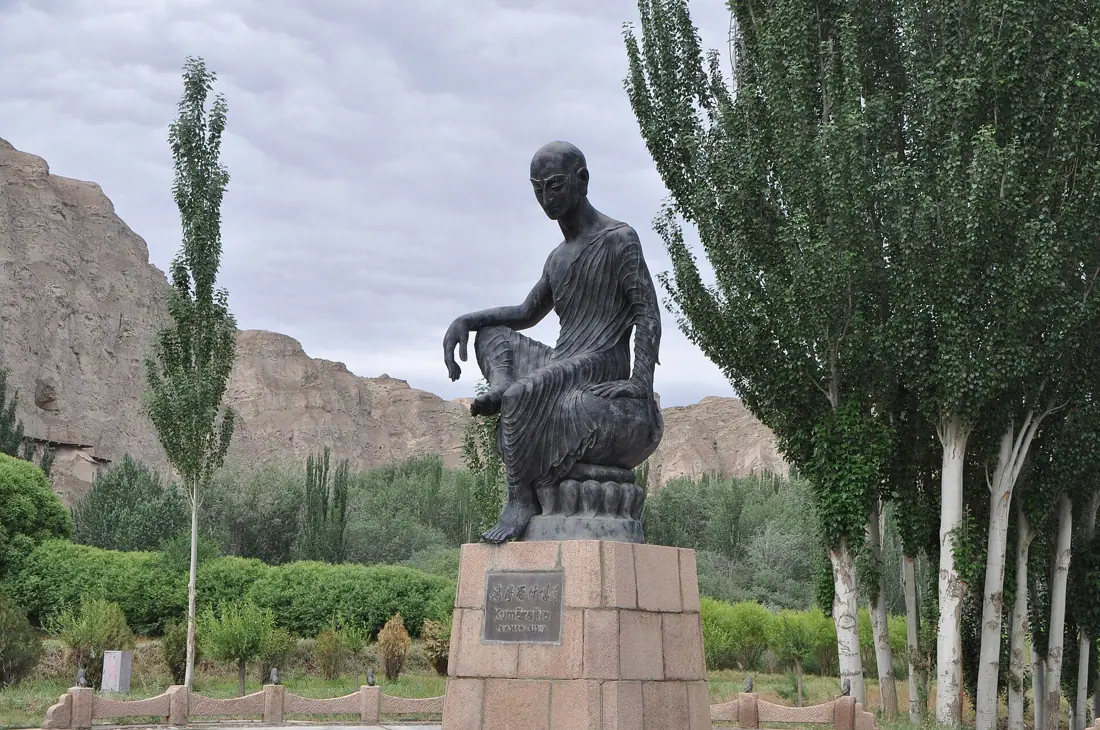 Kizil Caves 克孜尔千佛洞Early Buddhist cave paintings on the northern Silk Road5 sights · Give it 2 daysPhoto: Yoshi Canopus, CC BY-SA 4.0, via Openverse
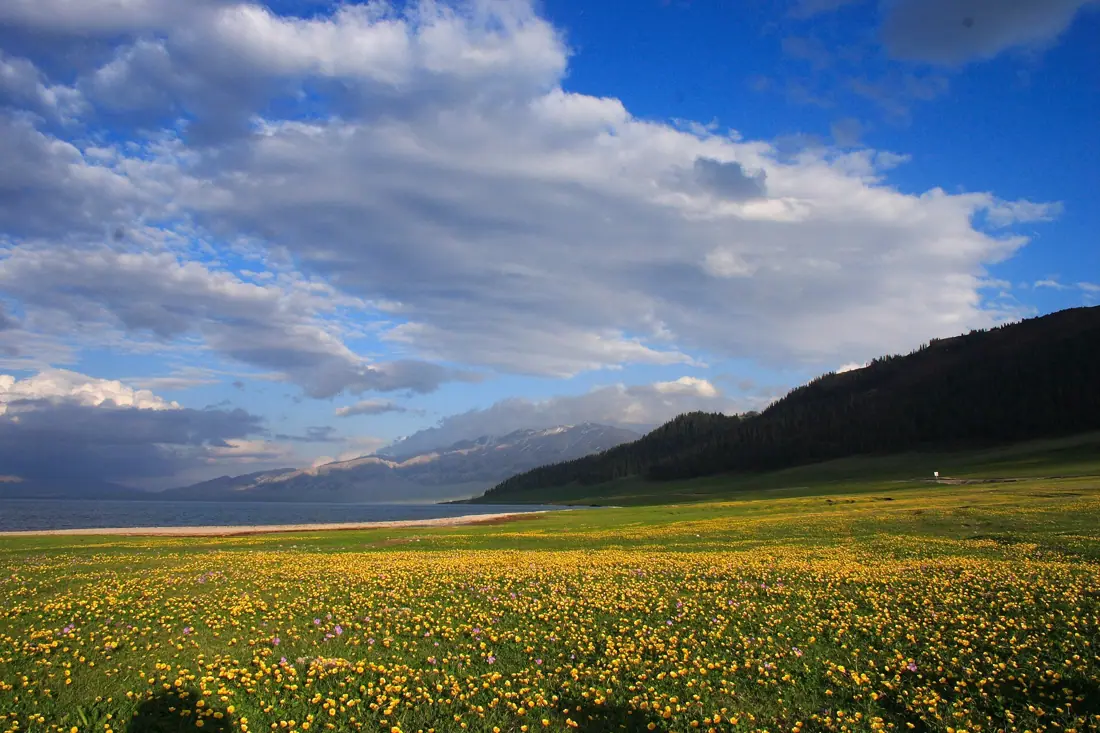 Sayram Lake 赛里木湖High mountain lake in Xinjiang, blue water ringed by grassland1 sight · Give it 2 daysPhoto: George Lu, CC BY 2.0, via Openverse
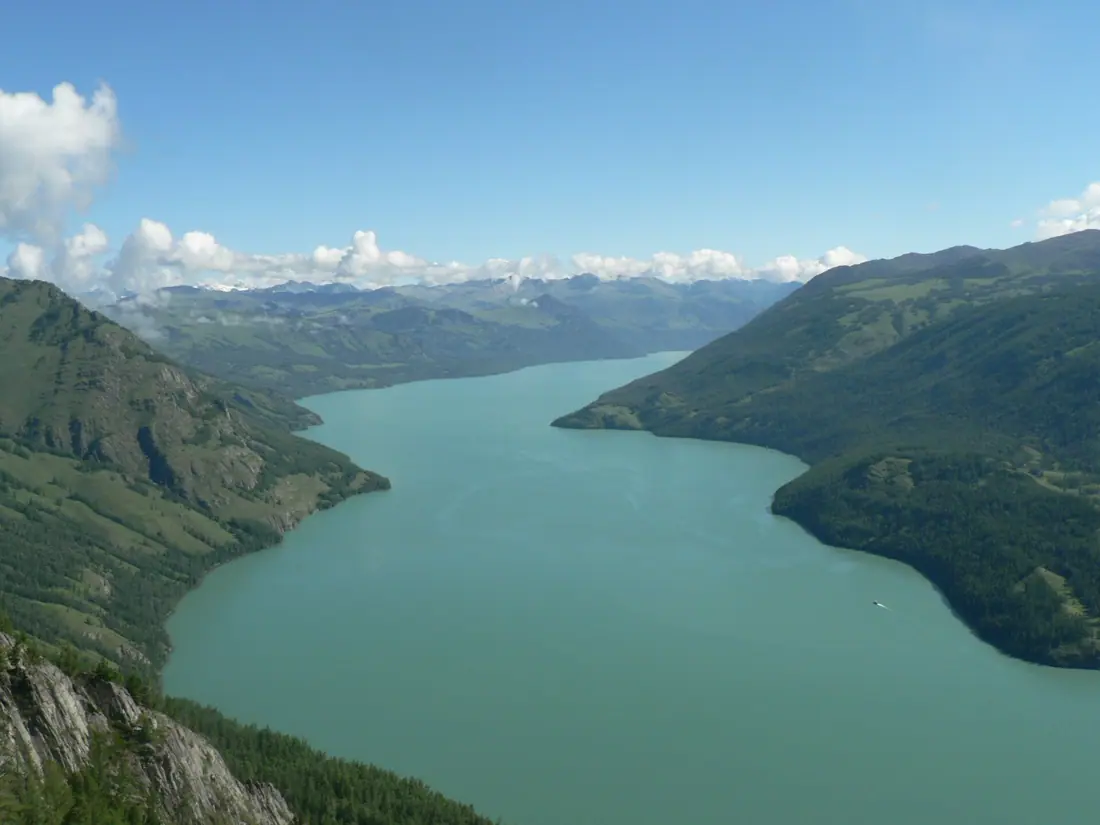 Kanas Lake
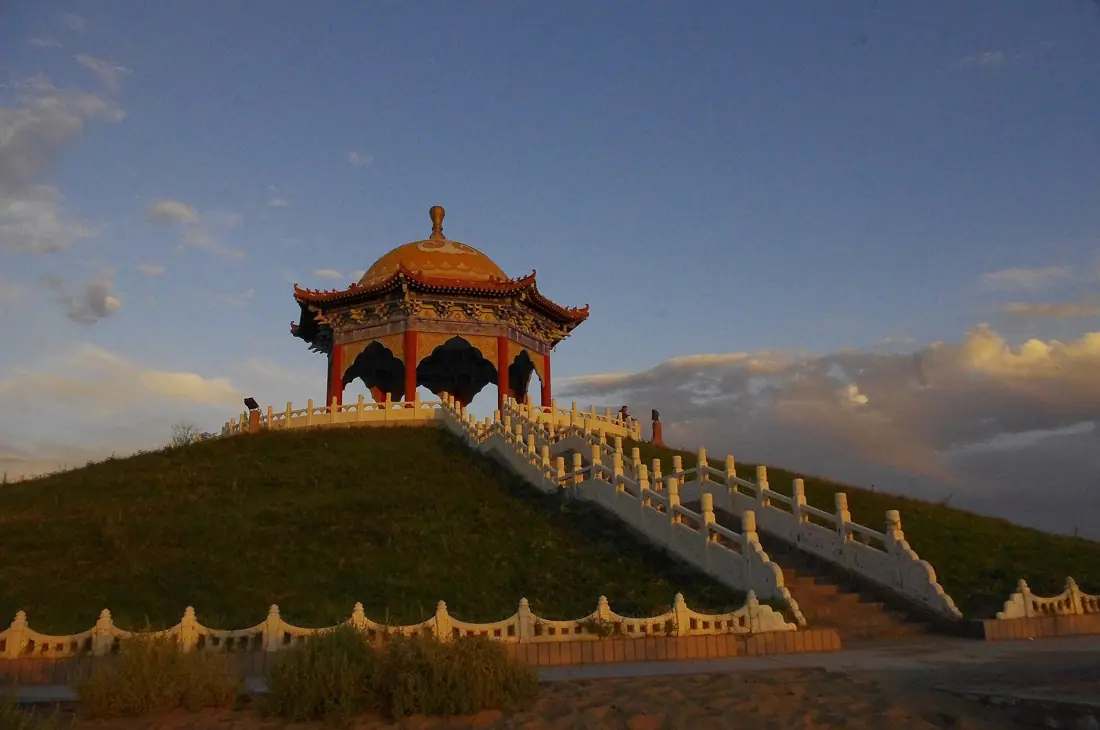 Bosten Lake


What Xinjiang eats
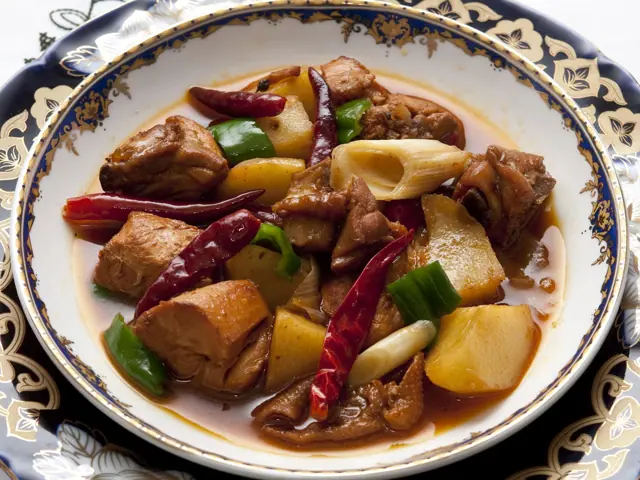 大盘鸡Big-plate chickenPhoto: Mizu basyo, CC BY-SA 3.0, via Wikimedia CommonsThe Xinjiang dish visitors learn first: chicken and potatoes stewed with chili, finished with belt noodles in the sauce.
- 烤羊肉串Lamb skewersXinjiang's charcoal kebab: fatty lamb tail cubed with lean meat, dusted with cumin and chili off the grill.
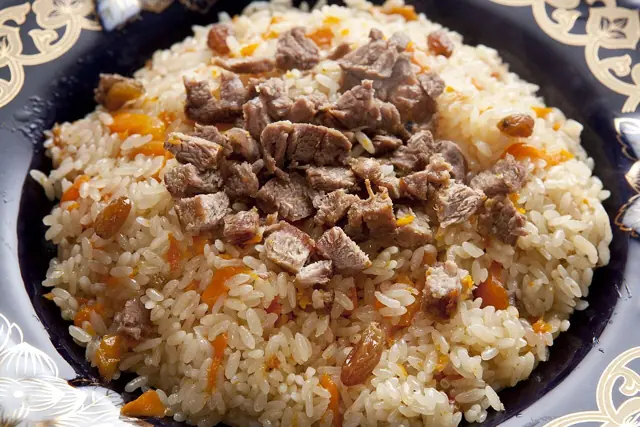 手抓饭Lamb polo ricePhoto: Mizu basyo at Japanese Wikipedia, CC BY-SA 3.0, via Wikimedia CommonsRice steamed with lamb, carrot and lamb-fat until amber - the Xinjiang one-plate meal eaten with a spoon.
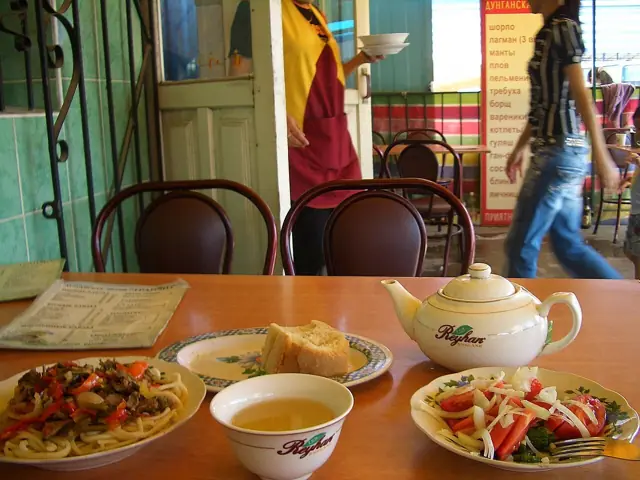 拉条子Hand-pulled noodles with toppingPhoto: Vmenkov, CC BY-SA 3.0, via Wikimedia CommonsXinjiang's everyday noodle: chewy hand-pulled strands mixed at the table with stir-fried lamb and peppers.
- 烤包子Clay-oven lamb parcelsCrisp tandoor pockets stuffed with diced lamb, onion and pepper - the Xinjiang grab-and-go lunch.
 馕Naan flatbreadPhoto: HaziiDozen, CC BY-SA 4.0, via Wikimedia CommonsThe Xinjiang staple bread: blistered, sesame-studded wheels baked on tandoor walls and sold by the stack.
- 缸子肉Enamel-mug lamb stewKashgar's old-market stew: lamb and carrots slow-cooked in enamel mugs on charcoal, broth first.
- 椒麻鸡Numbing-pepper cold chickenCold shredded chicken tossed in green Sichuan-pepper oil - half salad, half dare, served over onions.
- 新疆炒米粉Xinjiang spicy rice noodlesThe late-night cult bowl: thick rice noodles fried in a brick-red chili paste that stains the chopsticks.


Point at the Chinese: it is the name on the menu.
The people
Desert basins ringed by high snow ranges; extremely dry continental climate.
Homeland of the Uyghurs, with Kazakh, Kyrgyz, Hui and Tajik communities; bazaars, muqam music and mosque courtyards shape city life from Kashgar to Turpan.
Uyghur, a Turkic language in Arabic script, is the majority tongue in the south; Kazakh in the north; Mandarin is common in cities and among younger people.
Always ask before photographing people, especially near mosques and at prayers; use the right hand for giving and receiving, and keep outside food out of halal eateries.