China › Sichuan
Province
Sichuan 四川
Pandas, peppercorns, and deep green mountains
Sichuan is a large western province of fertile plains, misty mountains, and famously spicy food. Visitors come for the pandas in Chengdu, the Buddha statue at Leshan, and the dramatic scenery of Jiuzhaigou.
Go if You want China's single best mix of food, city life and mountain escape.
Skip if You need winter sunshine; the basin stays grey for months.
Known for: Chengdu pandas · Sichuan hotpot · Leshan Buddha · Jiuzhaigou valley · Mount Emei
How many days in Sichuan?
Chengdu 3 days · Sanxingdui 1 day · Jiuzhaigou 3 days · Leshan 2 days · Mianyang 2 days · Garzê 5 days · Guangyuan 2 days · Zigong 2 days · Yaan 1 day · Bazhong 2 days · Lugu Lake 2 days · Guangan 1 day · Langzhong 2 days. The best-known five, end to end: about 12 days.
Where to go
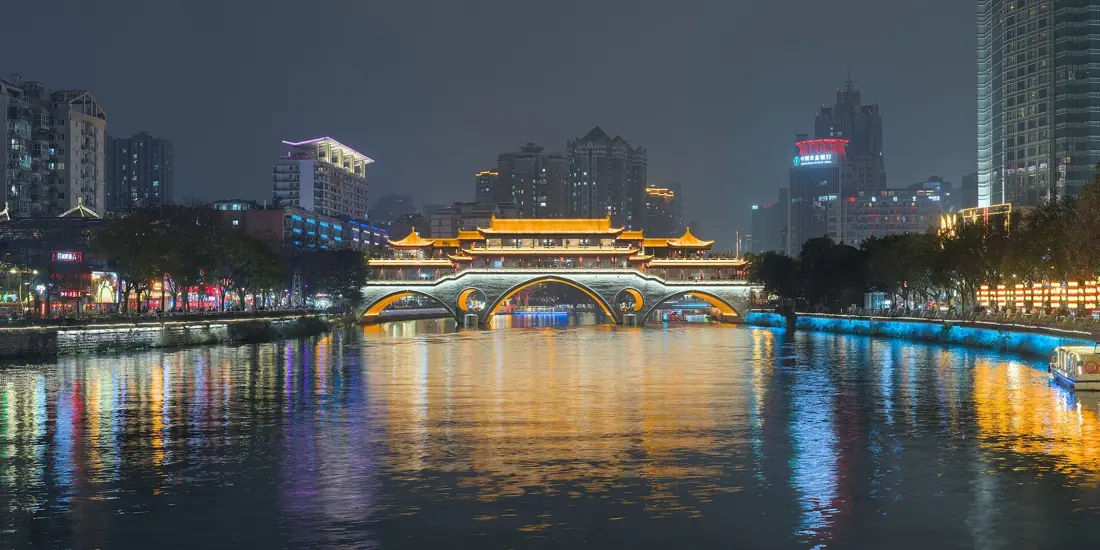 Chengdu 成都Pandas, teahouses and the Dujiangyan irrigation works15 sights · Give it 3 daysPhoto: Daniel Lu (User:dllu), CC BY-SA 4.0, via Wikimedia Commons
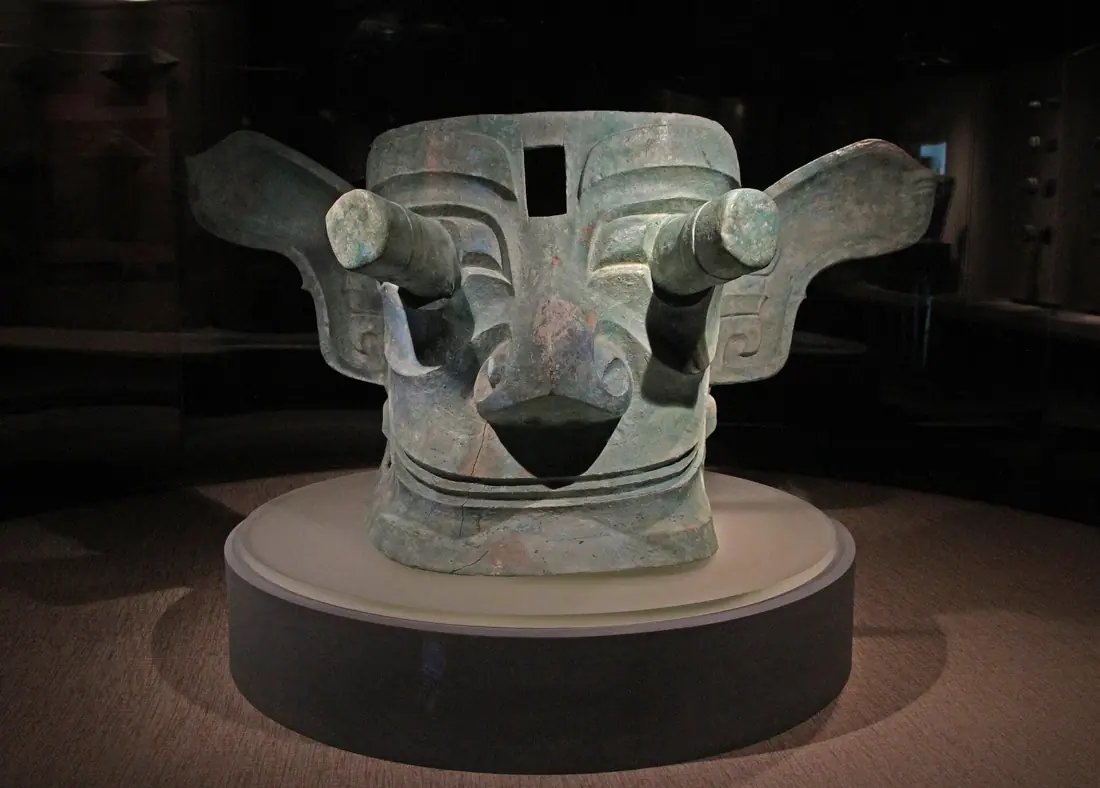 Sanxingdui 三星堆Bronze masks and a lost Shu civilisation near Guanghan4 sights · Give it 1 dayPhoto: Gerd Eichmann, CC BY-SA 4.0, via Openverse
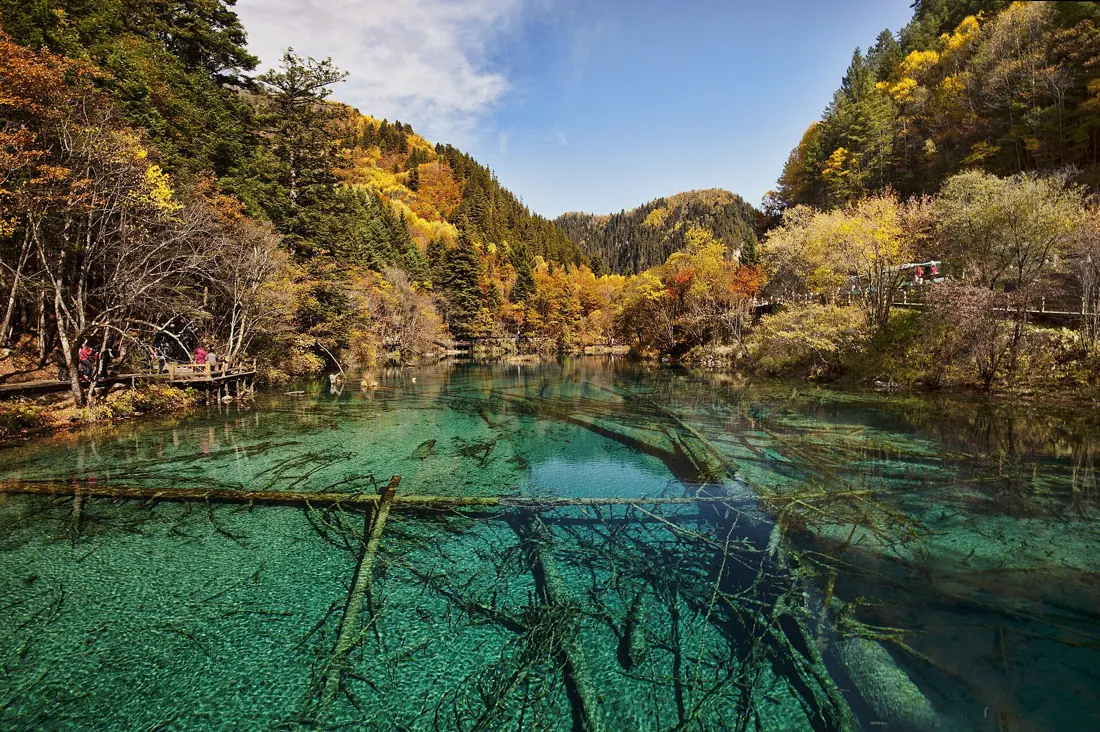
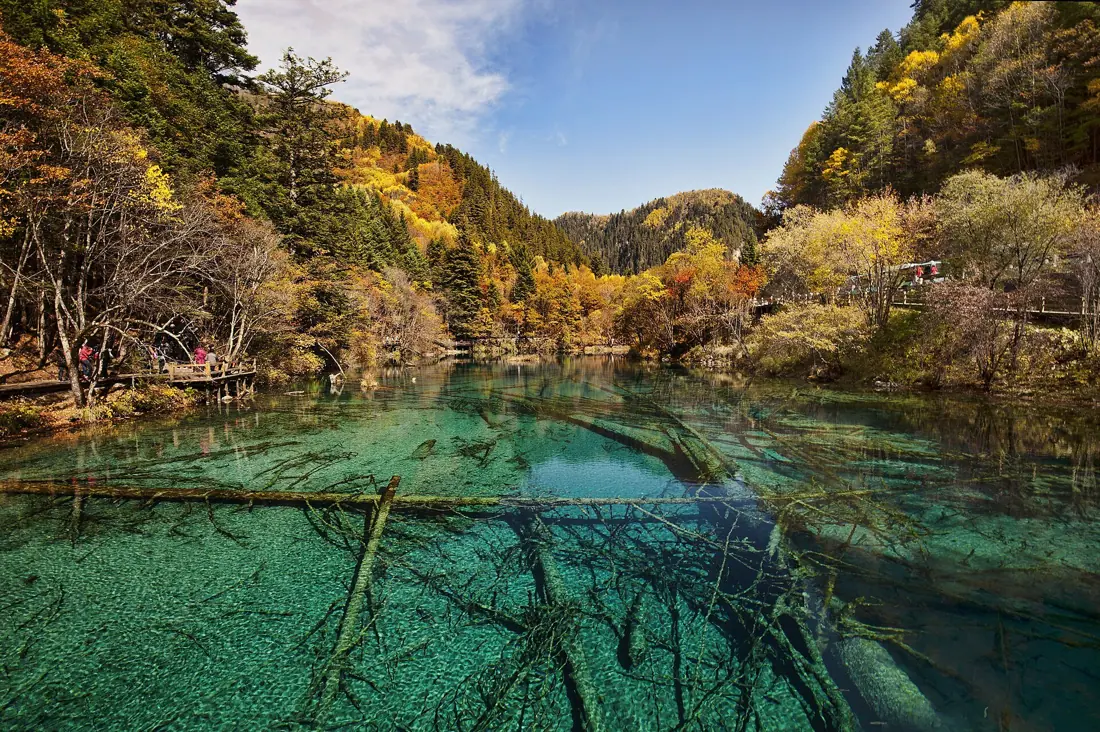 Jiuzhaigou 九寨沟Turquoise lakes and waterfalls in a Tibetan valley5 sights · Give it 3 daysPhoto: Chensiyuan, CC BY-SA 4.0, via Openverse
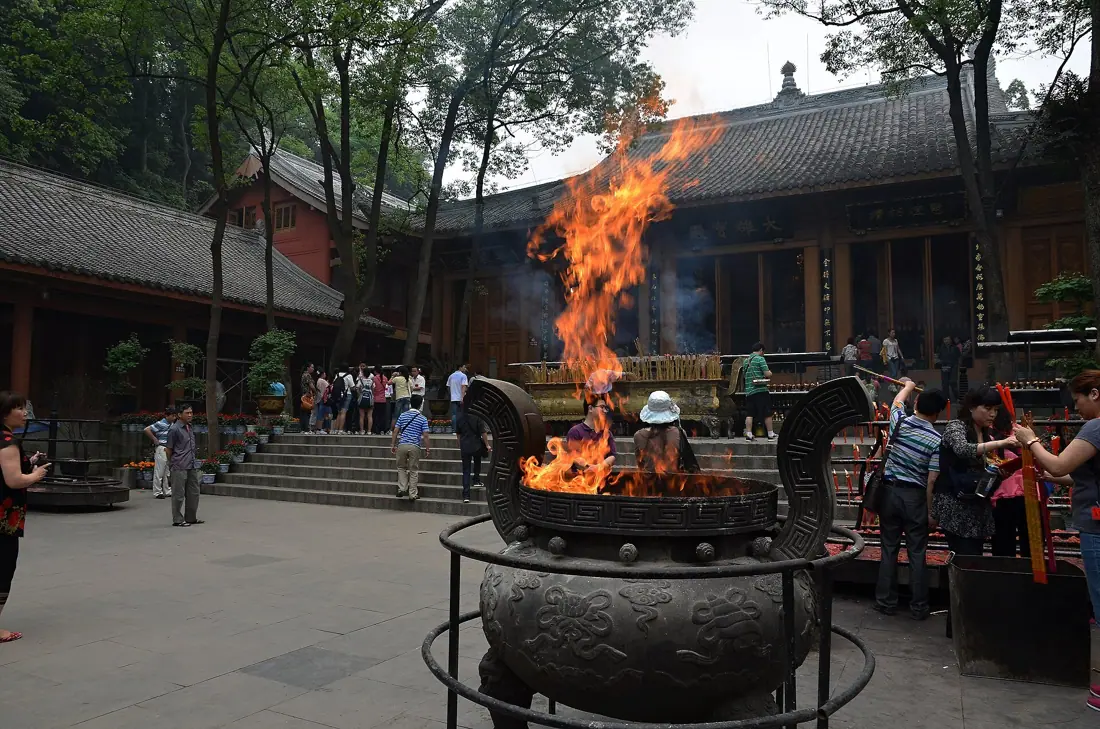 Leshan 乐山A giant Buddha carved into a river cliff, plus Mount Emei4 sights · Give it 2 daysPhoto: Pavel Špindler, CC BY 4.0, via Wikimedia Commons
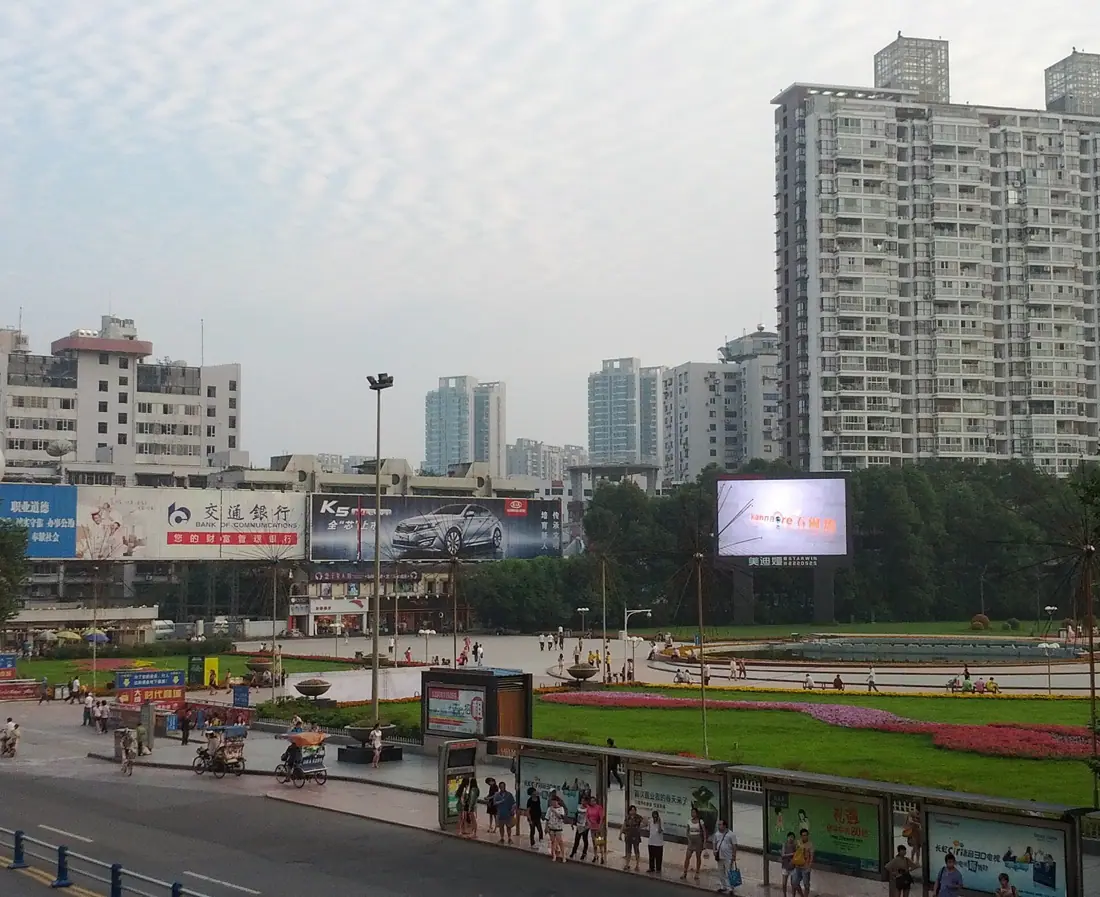 Mianyang 绵阳Qiang towns, old temples and Han dynasty stone tombs2 sights · Give it 2 daysPhoto: Brian Dell, CC0, via Openverse
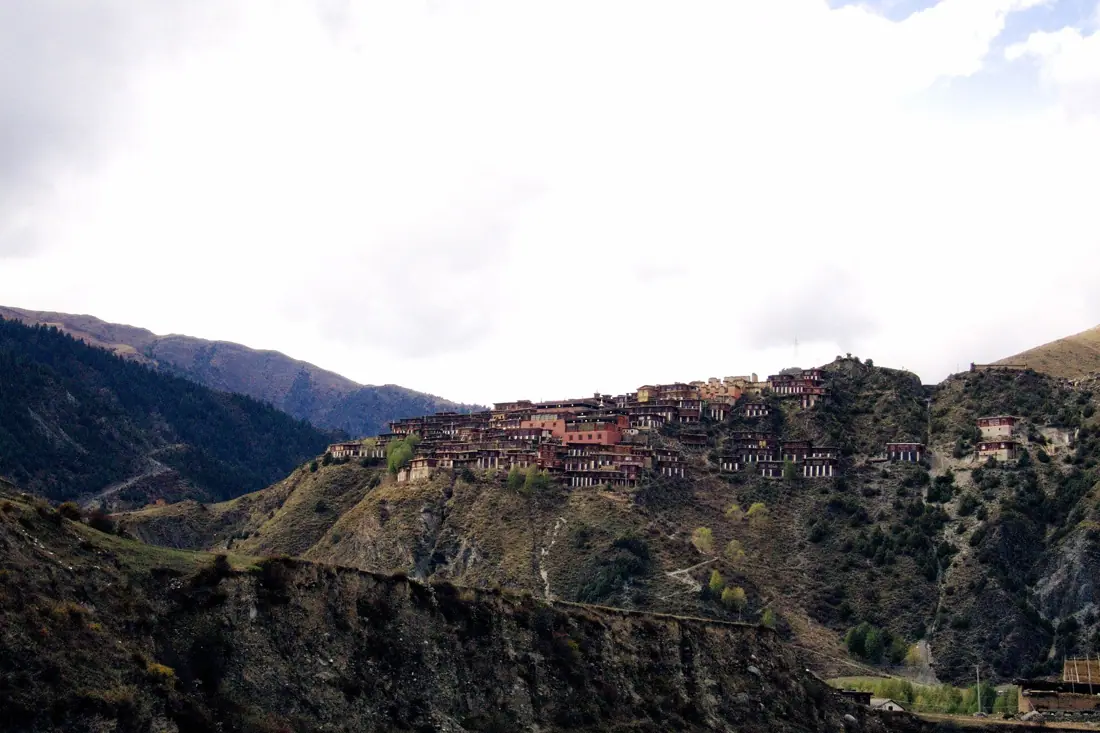 Garzê 甘孜Yading's sacred peaks, Tibetan monasteries and glacier valleys6 sights · Give it 5 daysPhoto: ottmarliebert.com from Santa Fe, Turtle Island, CC BY-SA 2.0, via Openverse
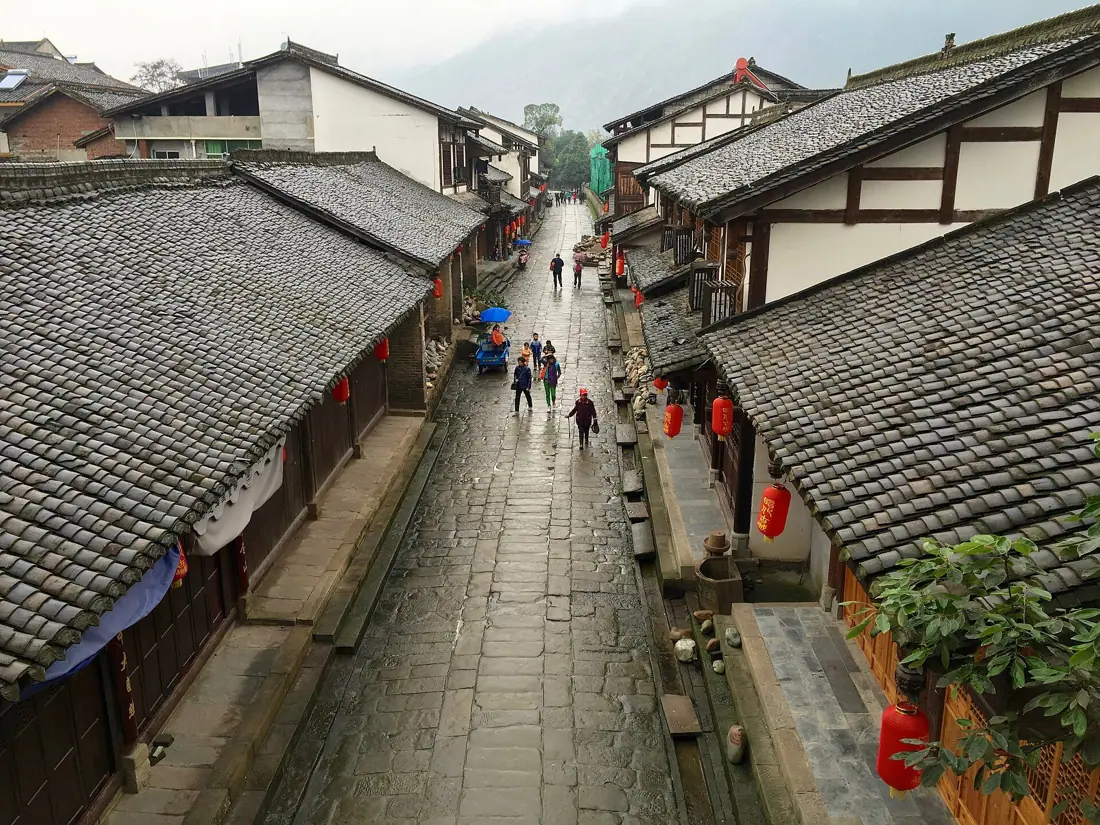 Guangyuan 广元Thousand-Buddha cliff carvings and the old Shu road3 sights · Give it 2 daysPhoto: ping lin, CC BY-SA 4.0, via Openverse
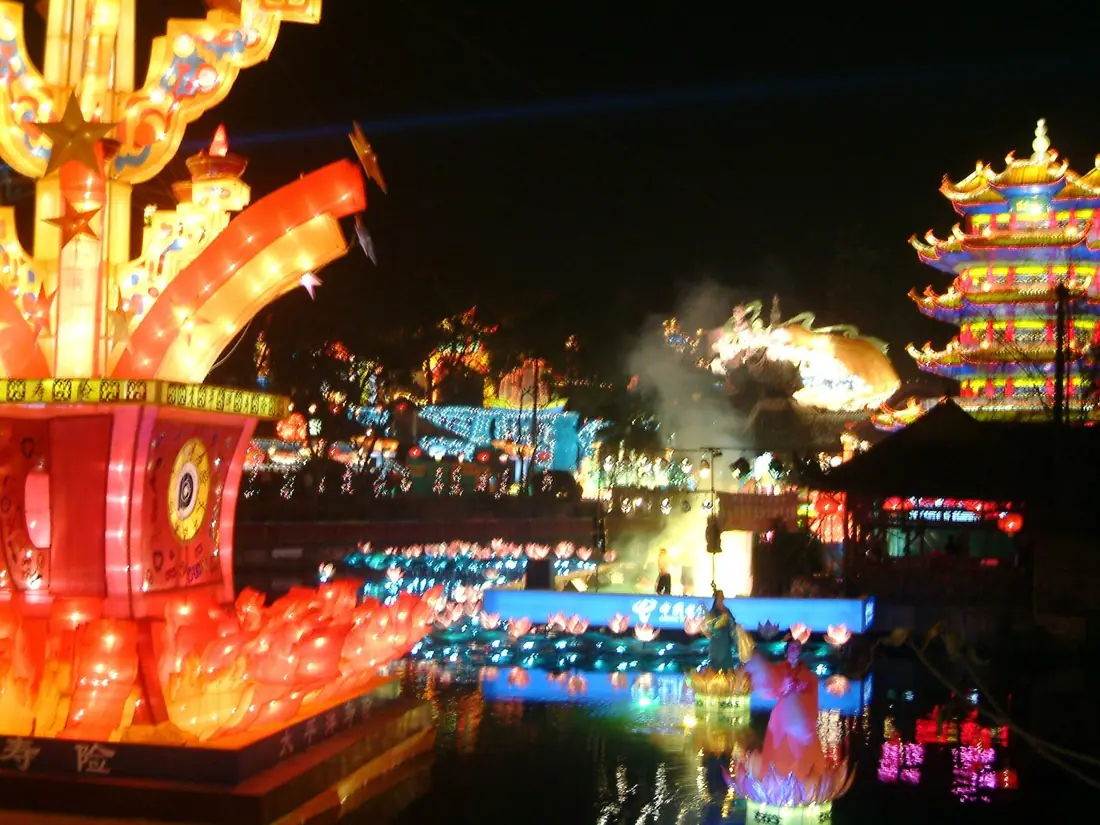 Zigong 自贡Historic salt town with a giant Buddha carved into rock2 sights · Give it 2 daysPhoto: Yosomono from Fukuoka, Japan, CC BY 4.0, via Openverse
 Yaan 雅安Bifeng Gorge and the tomb of Gao Yi, Han dynasty official1 sight · Give it 1 dayPhoto: Song Yanbo, CC BY-SA 4.0, via Openverse
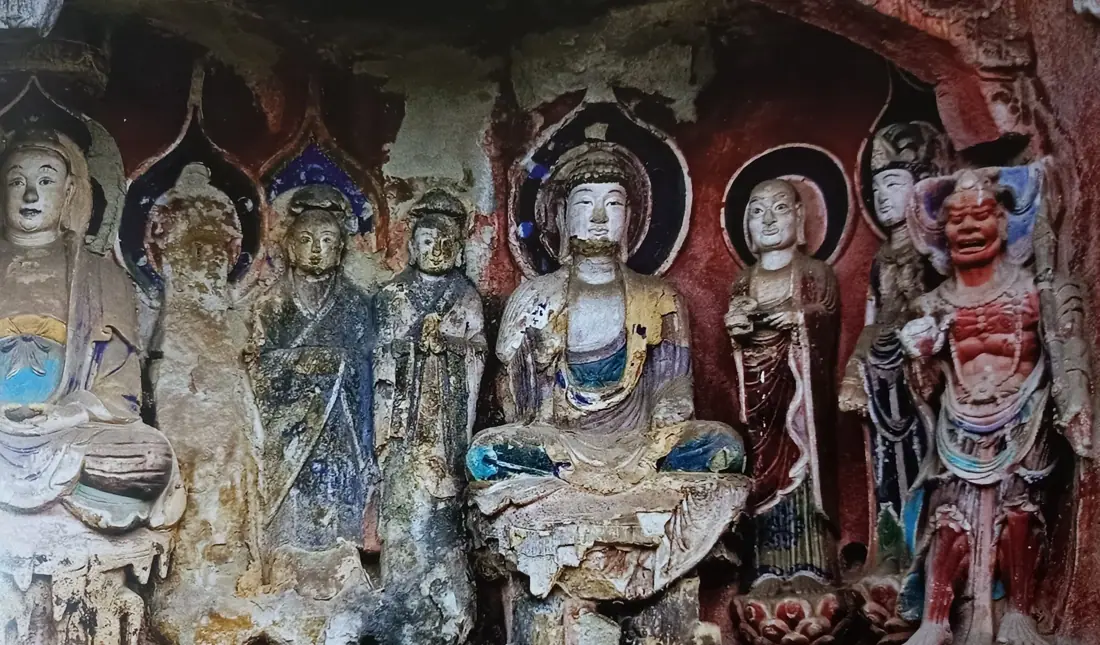 Bazhong 巴中Cave temples and old town in the northern Sichuan hills1 sight · Give it 2 daysPhoto: Uriel1022, CC BY-SA 4.0, via Openverse
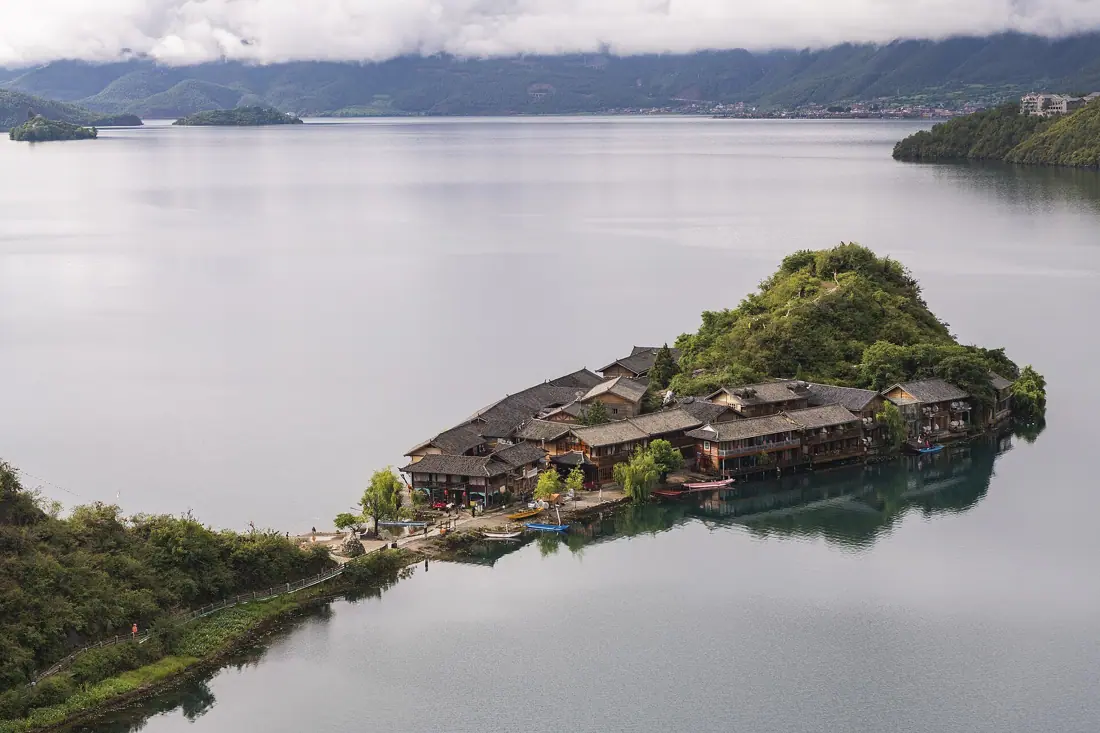 Lugu Lake
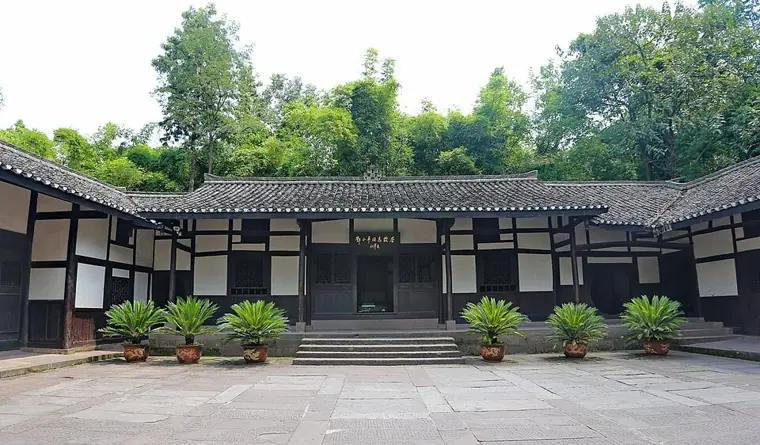 Guangan
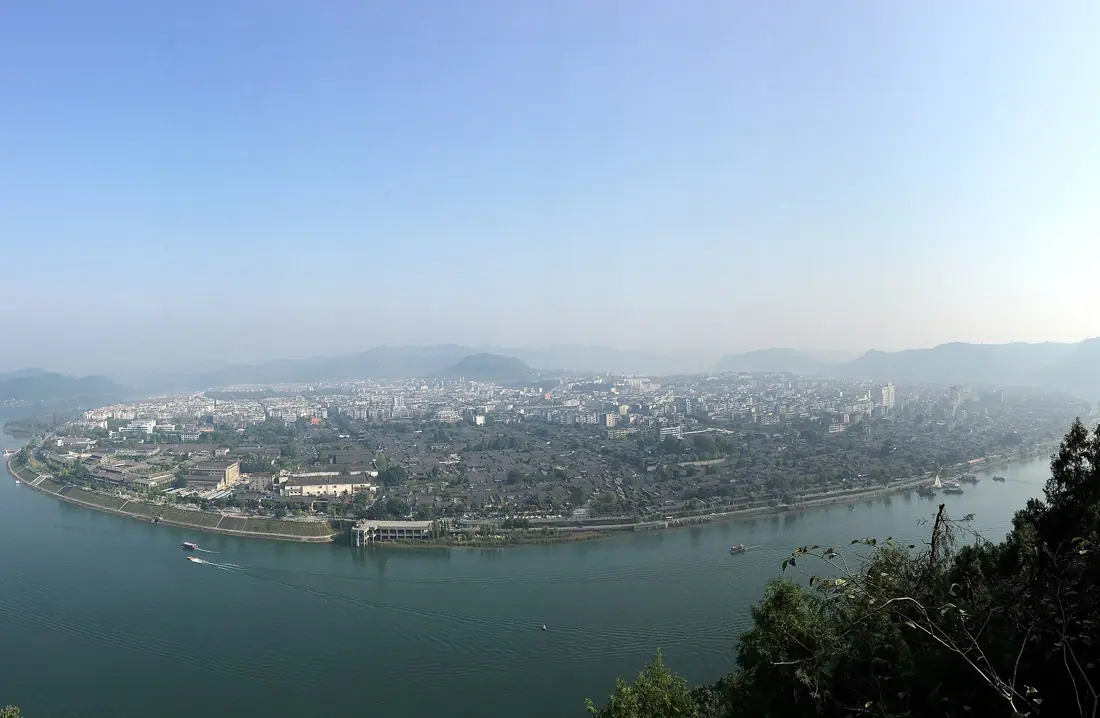 Langzhong


What Sichuan eats
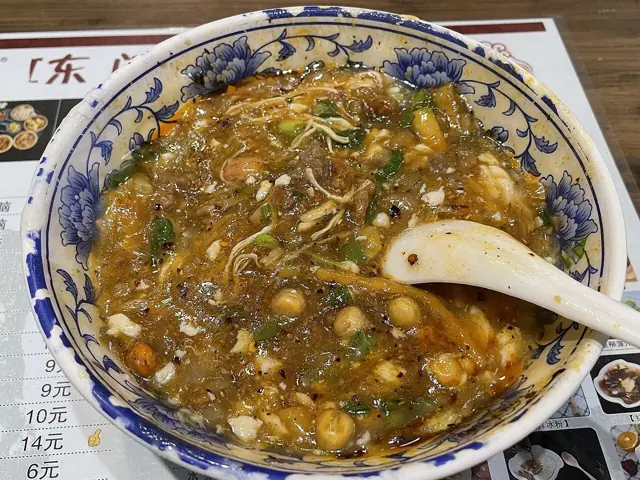 麻婆豆腐Mapo tofuPhoto: Coolli22, CC BY-SA 4.0, via Wikimedia CommonsSilken tofu and minced beef under chilli and Sichuan pepper, invented in Chengdu and still best eaten there.
 回锅肉Twice-cooked porkPhoto: NeoBatfreak, CC BY-SA 4.0, via Wikimedia CommonsBoiled then fried pork belly curled with leek and bean paste, the dish Sichuan families judge a cook by.
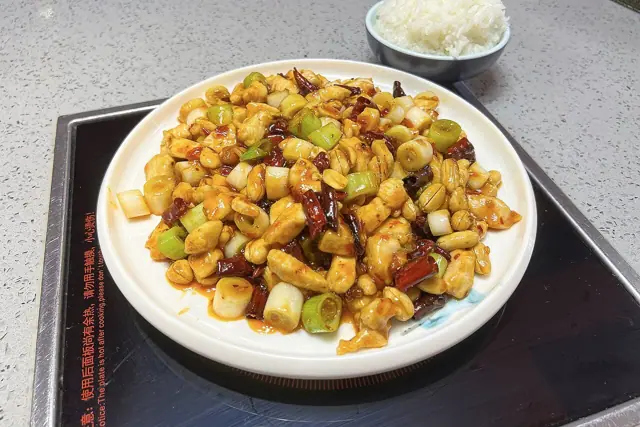 宫保鸡丁Kung Pao chickenPhoto: N509FZ, CC BY-SA 4.0, via Wikimedia CommonsThe sweet-sour-chilli wok dish with crunchy peanuts that Sichuan carried to the world, ordered everywhere.
- 夫妻肺片Sliced beef in chilli oilThin slices of beef and offal in ruby chilli oil with peanuts, served cold as the classic Chengdu opener.
- 担担面Dan dan noodlesA small bowl of noodles under minced pork, sprouts and chilli-sesame oil, meant to be mixed before it cools.
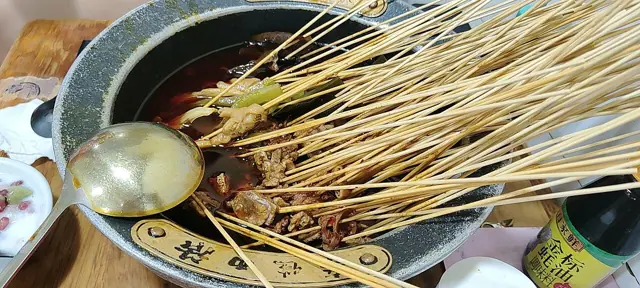 钵钵鸡Cold chicken skewersPhoto: Fumikas Sagisavas, CC0, via Wikimedia CommonsSkewers of chicken, offal and vegetables soaked in chilli or numbing-herb oil, pulled from a pot one by one.
- 宜宾燃面Yibin burning noodlesBone-dry noodles tossed with oil, sprouts and peanuts, so thirsty they were said to be flammable.
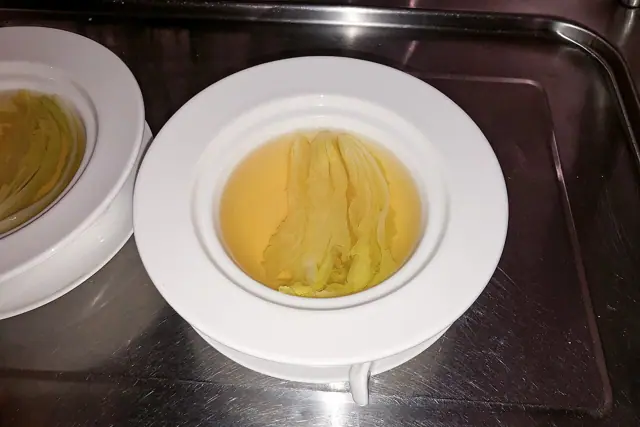 开水白菜Cabbage in clear master stockPhoto: N509FZ, CC BY-SA 4.0, via Wikimedia CommonsA single cabbage heart in broth so refined it looks like water, the quiet showpiece of high Sichuan cooking.
- 蛋烘糕Egg-baked pancakesPalm-sized griddle pancakes folded around anything from meat floss to jam, the street snack Chengdu kids grow up on.
- 冒菜Mao cai pot-for-oneHotpot for one: pick your own vegetables and meat, they boil it in spicy broth and pour it into a single bowl.
- 红糖冰粉Brown-sugar ice jellyA wobbly iced jelly drenched in brown-sugar syrup with peanuts and haw flakes, the street answer to Sichuan heat.
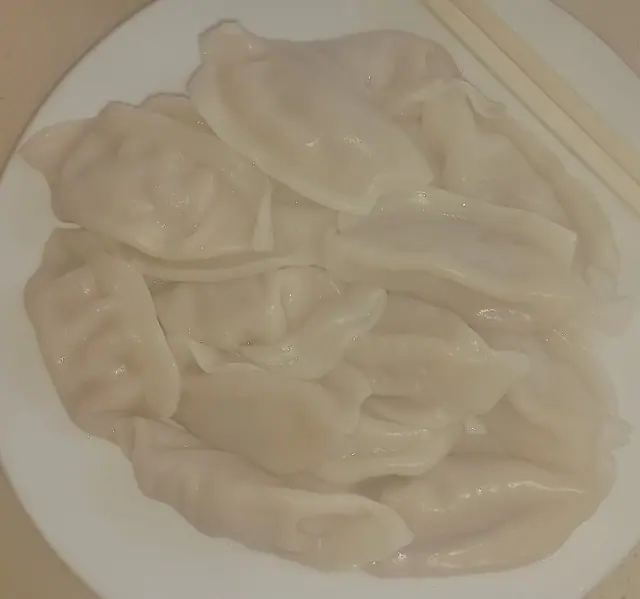
- 钟水饺Zhong dumplings in sweet chilli oilPure-pork dumplings served under a sweet soy-chilli oil, a Chengdu century-old snack style, no soup involved.


Point at the Chinese: it is the name on the menu.
The people
A fertile basin walled by the eastern Himalaya; mild and damp in the basin, alpine in the west.
Teahouse culture and unhurried afternoons define Han Sichuan; the western highlands are home to Tibetan, Qiang and Yi peoples with distinct dress, faiths and festivals.
Southwestern Mandarin in the basin; Tibetan, Qiang and Yi in the mountains. Mandarin is understood nearly everywhere.
In Tibetan and Qiang areas, walk clockwise around shrines and prayer wheels, and ask before photographing monks or elders.